
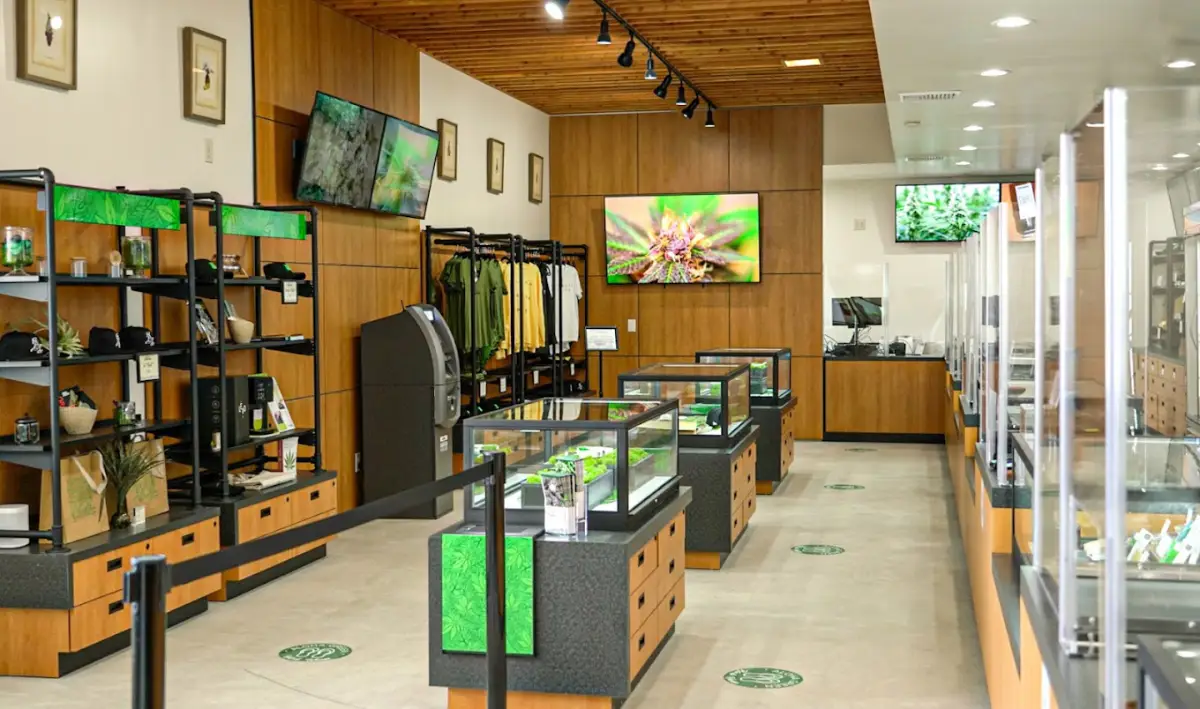
The rapid growth of legalized cannabis markets has reshaped commercial corridors in major cities. What began as a tightly regulated pilot industry in select states has evolved into a mainstream retail sector operating in dense urban neighborhoods. Cannabis retail expansion is no longer a fringe development; it is a structural shift in how cities manage zoning, taxation, entrepreneurship, and public health.
Urban communities present both opportunity and complexity. High population density, established transit systems, and diverse consumer bases make cities ideal for retail growth. At the same time, policymakers must balance economic benefits with community concerns about equity, safety, and neighborhood character.
The Economic Impact on Urban Neighborhoods
Cannabis retailers contribute directly and indirectly to city economies. In markets where legalization has matured, the sector generates millions in annual tax revenue, supports local employment, and activates underutilized commercial spaces.
Key Economic Contributions
- Tax Revenue: Municipalities collect local excise taxes, licensing fees, and sales taxes.
- Job Creation: Retail stores hire budtenders, managers, compliance officers, and security personnel.
- Commercial Revitalization: Vacant storefronts in previously struggling districts often become viable retail sites.
- Ancillary Businesses: Security firms, marketing agencies, construction companies, and logistics providers benefit from industry demand.
In some cities, cannabis retail has helped stabilize neighborhoods affected by economic downturns. Empty retail units are converted into regulated dispensaries, increasing foot traffic and boosting nearby businesses such as cafés and service shops.
Zoning, Regulation, and Urban Planning
City governments play a central role in determining how and where cannabis stores operate. Urban expansion rarely occurs without strict regulatory frameworks.
Common Zoning Controls
- Minimum distance from schools, parks, and childcare centers
- Caps on the number of licenses per district
- Restrictions on signage and storefront appearance
- Enhanced security requirements
These rules are designed to integrate cannabis retail into urban environments without overwhelming residential areas. In practice, zoning often concentrates stores in designated commercial zones, creating clusters rather than uniform distribution across neighborhoods.
Urban planners must consider pedestrian flow, traffic congestion, and neighborhood identity when approving new locations. The goal is to avoid oversaturation while maintaining fair access to legal retail options.
Social Equity and Community Reinvestment
One of the defining themes of urban cannabis expansion is social equity. Many cities prioritize licensing for entrepreneurs from communities disproportionately impacted by past drug enforcement policies.
Equity-Focused Policies Often Include:
- Reduced licensing fees
- Technical assistance programs
- Access to low-interest loans or grants
- Priority review for qualifying applicants
These initiatives aim to correct historical disparities while fostering inclusive economic growth. However, implementation remains uneven. High startup costs, limited access to traditional banking, and complex compliance requirements continue to present barriers for smaller operators.
Community reinvestment programs funded by cannabis tax revenue often support:
- Youth development initiatives
- Workforce training programs
- Substance misuse education
- Neighborhood infrastructure projects
Urban communities benefit most when expansion is paired with intentional reinvestment strategies.
Public Health and Safety Considerations
Urban cannabis retail operates under stringent regulatory oversight. Licensed dispensaries must adhere to product testing standards, age verification protocols, and strict inventory tracking systems.
Public Safety Measures
- ID verification for all customers
- Surveillance systems and security staffing
- Product labeling with potency and dosage information
- Child-resistant packaging
Research in established markets shows that regulated retail environments reduce reliance on illicit sales channels. Consumers gain access to lab-tested products, and municipalities maintain oversight over distribution.
Still, cities continue to monitor potential impacts on youth access, impaired driving, and public consumption. Expansion policies increasingly integrate education campaigns alongside retail growth.
Community Perception and Neighborhood Dynamics
Public opinion toward cannabis retail in urban communities has shifted significantly over the past decade. Initial resistance often centers on concerns about crime or neighborhood decline. Over time, many communities report neutral or even positive perceptions when stores operate responsibly.
Factors that shape local acceptance include:
- Storefront design and maintenance
- Transparent communication with neighborhood associations
- Compliance history
- Visible community engagement efforts
Well-managed dispensaries tend to resemble high-end wellness boutiques rather than traditional head shops, contributing to normalization within retail districts.
Challenges Facing Urban Cannabis Retailers
Despite market growth, urban cannabis businesses face structural hurdles.
Persistent Industry Challenges
- Federal Legal Conflict: Cannabis remains illegal at the federal level in the United States, complicating banking and interstate commerce.
- High Tax Burden: Layered taxes can elevate retail prices, sustaining competition from unlicensed sellers.
- Real Estate Constraints: Zoning limits available properties, driving up lease costs.
- Market Saturation: In some cities, rapid licensing has led to intense competition and thin profit margins.
Urban expansion must be carefully paced to avoid destabilizing the market.
The Future of Cannabis Retail in Cities
As legalization spreads and regulatory frameworks mature, cannabis retail is likely to become a normalized component of urban commercial ecosystems. Future developments may include:
- Integration with wellness and lifestyle branding
- Increased digital ordering and delivery infrastructure
- Stronger sustainability standards for packaging and energy use
- Greater consolidation among operators
Cities that balance economic opportunity with thoughtful regulation will shape the next phase of growth. Urban cannabis retail is no longer an experimental policy; it is a permanent fixture of modern metropolitan economies.
Frequently Asked Questions (FAQ)
1. How do cities decide how many cannabis stores to allow?
Municipalities typically use population-based formulas, zoning restrictions, and community input to determine license caps.
2. Does cannabis retail increase crime in urban areas?
Studies in regulated markets generally show no consistent increase in neighborhood crime when stores comply with security requirements.
3. What types of jobs are created by urban dispensaries?
Positions range from retail staff and store managers to compliance specialists, inventory managers, and security personnel.
4. How do local governments use cannabis tax revenue?
Funds are often allocated to public health initiatives, community reinvestment programs, infrastructure improvements, and general municipal budgets.
5. Are cannabis retailers allowed near schools?
Most jurisdictions enforce minimum distance requirements between dispensaries and schools, parks, or childcare facilities.
6. Can small businesses compete with large cannabis corporations?
Competition can be challenging due to capital requirements, but social equity programs and local ownership initiatives aim to support smaller operators.
7. What happens if federal cannabis laws change?
Federal legalization could improve banking access, reduce compliance complexity, and potentially allow interstate commerce, significantly reshaping urban markets.
