
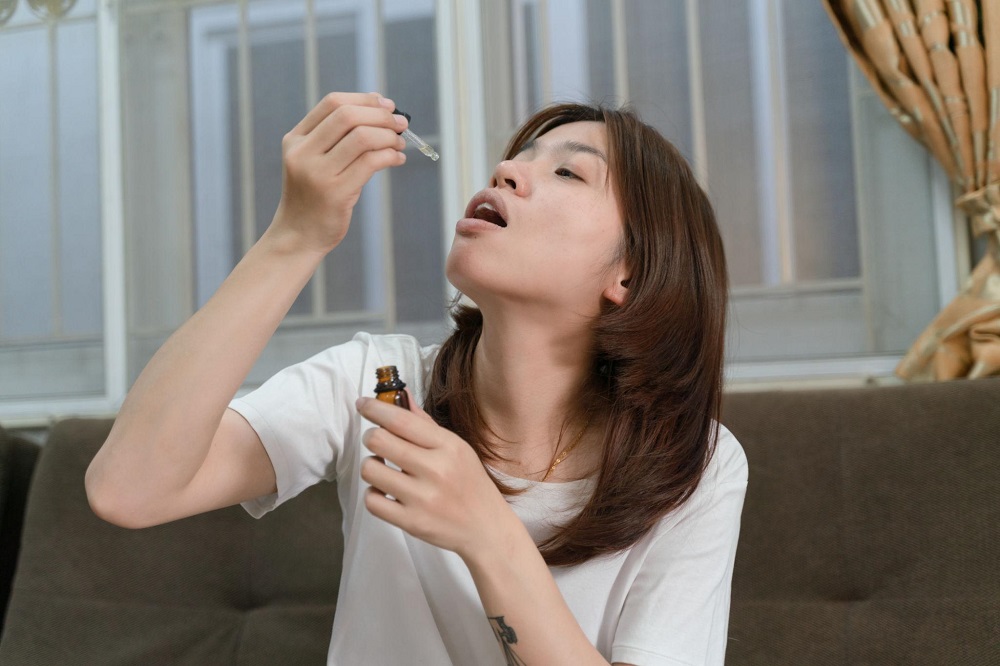
Vitality is more than just having energy. It reflects a balanced state of body and mind—steady focus, restorative sleep, manageable stress levels, and physical comfort that allows you to stay active. In recent years, CBD (cannabidiol) has gained attention as a natural compound that may help support this broader sense of well-being.
This article explores how CBD works in the body, the potential benefits for overall vitality, and practical considerations for safe, informed use.
What Is CBD?
CBD is a naturally occurring compound found in the hemp variety of the Cannabis sativa plant. Unlike THC (tetrahydrocannabinol), CBD is non-intoxicating, meaning it does not produce a “high.”
It is commonly available in:
-
Oils and tinctures
-
Capsules and softgels
-
Topical creams and balms
-
Edibles and gummies
-
Beverages and powders
Each form differs in onset time, duration, and convenience, but all are designed to interact with the body’s internal regulatory network.
How CBD Supports the Body’s Balance
CBD primarily influences the endocannabinoid system (ECS)—a complex signaling system involved in regulating mood, sleep, appetite, immune response, and pain perception. The ECS helps maintain homeostasis, or internal balance.
CBD does not bind strongly to cannabinoid receptors. Instead, it appears to:
-
Support the body’s natural endocannabinoids
-
Influence serotonin receptors linked to mood
-
Interact with receptors involved in inflammation and discomfort
-
Affect pathways related to stress regulation
By modulating these systems, CBD may indirectly contribute to overall vitality.
Potential Benefits for Overall Vitality
While research is ongoing, existing evidence and user reports suggest several areas where CBD may provide support.
1. Stress and Mood Regulation
Chronic stress can drain mental and physical energy. CBD has been studied for its interaction with serotonin receptors, which play a role in mood stability.
Some individuals report:
-
A calmer response to everyday stressors
-
Reduced feelings of nervous tension
-
Improved emotional balance
Supporting emotional well-being can positively influence energy, productivity, and social engagement.
2. Improved Sleep Quality
Restorative sleep is foundational to vitality. Poor sleep can impair concentration, immunity, and physical performance.
CBD may help by:
-
Encouraging relaxation before bedtime
-
Reducing nighttime discomfort
-
Supporting consistent sleep cycles
Better sleep often translates into increased daytime alertness and resilience.
3. Physical Comfort and Recovery
Active lifestyles sometimes come with muscle soreness or joint stiffness. CBD’s interaction with inflammatory pathways has drawn attention in wellness and athletic communities.
Potential benefits include:
-
Temporary relief from minor aches
-
Support for post-exercise recovery
-
Enhanced comfort during daily activities
Maintaining physical ease helps sustain regular movement and exercise—key components of long-term vitality.
4. Focus and Mental Clarity
Balanced stress and improved rest can lead to sharper concentration. Some users describe:
-
Clearer thinking
-
Fewer distractions
-
More consistent productivity
While CBD is not a stimulant, it may help reduce mental “noise” that interferes with cognitive performance.
Choosing the Right CBD Product
Not all CBD products are created equal. Quality matters when supporting overall wellness.
When selecting a product, consider:
-
Third-party lab testing for potency and purity
-
Full-spectrum vs. broad-spectrum vs. isolate formulations
-
Clear ingredient lists
-
Hemp sourcing and extraction methods
Full-Spectrum vs. Broad-Spectrum vs. Isolate
-
Full-Spectrum CBD: Contains multiple cannabinoids and trace amounts of THC (within legal limits).
-
Broad-Spectrum CBD: Contains several cannabinoids but no detectable THC.
-
CBD Isolate: Pure CBD without other plant compounds.
Some research suggests that multiple cannabinoids working together—often called the “entourage effect”—may enhance overall effectiveness.
Safe and Responsible Use
Although CBD is generally well tolerated, thoughtful use is important.
Start low and go slow. Begin with a modest dose and gradually adjust as needed.
Possible side effects may include:
-
Mild digestive discomfort
-
Drowsiness
-
Changes in appetite
-
Dry mouth
CBD can also interact with certain medications, particularly those processed by the liver. Individuals taking prescription drugs should consult a qualified healthcare professional before beginning supplementation.
Integrating CBD Into a Vitality-Focused Lifestyle
CBD is not a substitute for foundational wellness habits. Instead, it can complement:
-
A nutrient-dense diet
-
Regular physical activity
-
Consistent sleep routines
-
Stress management practices such as mindfulness or breathing exercises
When used as part of a balanced lifestyle, CBD may serve as a supportive tool rather than a standalone solution.
Frequently Asked Questions (FAQ)
1. How long does it take for CBD to start working?
Onset depends on the form used. Sublingual oils may take effect within 15–45 minutes, while edibles can take 1–2 hours. Topicals may provide localized effects within a shorter timeframe.
2. Is CBD legal?
In many regions, hemp-derived CBD containing less than the legal limit of THC is permitted. Regulations vary by country and state, so it is important to check local laws before purchasing.
3. Can CBD cause dependency?
Current evidence suggests that CBD is not addictive and does not produce dependency in the way some substances can.
4. Will CBD show up on a drug test?
Full-spectrum products contain trace THC, which may accumulate and potentially appear on sensitive drug screenings. Broad-spectrum or isolate products may reduce this risk, though no product guarantees zero detection.
5. Can CBD be used daily?
Many individuals incorporate CBD into daily wellness routines. Long-term use should be monitored, especially if combined with medications.
6. What is the ideal dosage for supporting vitality?
There is no universal dosage. Factors such as body weight, metabolism, and individual goals influence optimal intake. Starting with a low dose and adjusting gradually is commonly recommended.
7. Is CBD safe for older adults?
CBD may be appropriate for older individuals seeking support for sleep or physical comfort. However, due to potential medication interactions, consultation with a healthcare professional is advisable.
