
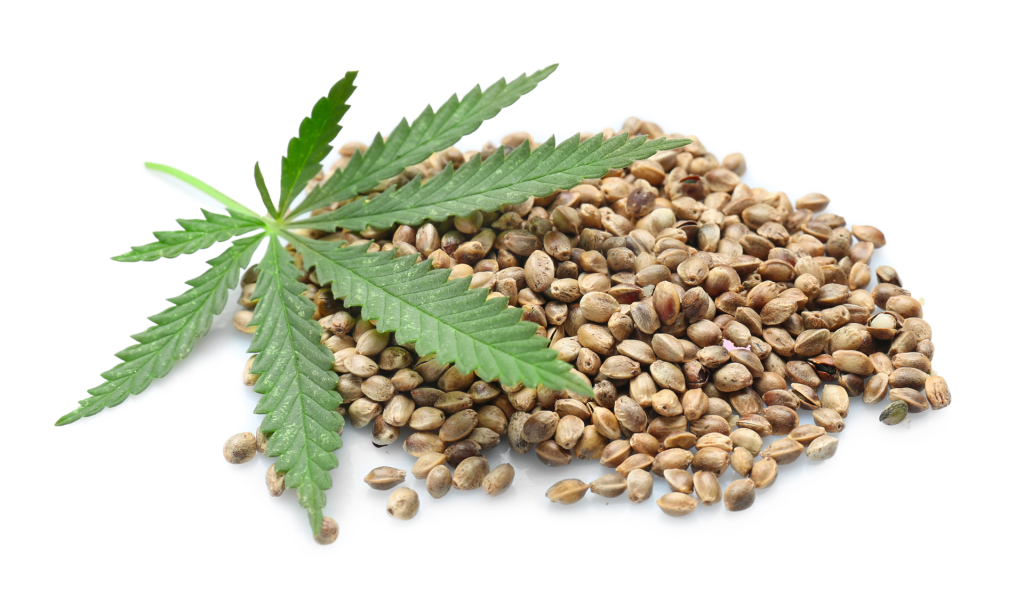
A cannabinoid profile is a documented chemical breakdown of what a plant produces at full maturity. For growers comparing variety options, that breakdown carries more actionable information than any written description. gorilla glue seeds express a profile heavily weighted toward THC, and knowing what that data communicates before a single seed goes into growing medium changes how cultivation decisions get made from the start.
Profiles document more than one headline figure. Ratios between primary and secondary compounds, consistency across phenotypes within the same genetic line, stability under varying growing conditions – all of it appears in a thorough profile. A variety showing wide output variation between phenotypes from the same batch is signalling something about its genetic consistency that no catalogue entry will mention directly.
Secondary compounds, including CBG, CBC, and CBN, appear in smaller concentrations but shape the overall chemical character of what gets harvested. Growers who move past the THC percentage and read the full breakdown develop a considerably more accurate picture of what a variety actually delivers.
What separates strong profiles from weak ones?
Documented consistency is the first thing worth examining. A profile built from one test on one plant under controlled conditions tells a different story than data gathered from multiple phenotypes across varied growing environments. The variance between those figures reveals how reliably the genetics perform outside ideal circumstances, which is where most cultivation actually happens.
Third-party verification is what gives profile data credibility. Figures generated internally by a supplier carry no independent confirmation. Laboratory testing outside the supply chain introduces accountability that self-reported numbers simply cannot. Growers comparing options while relying solely on supplier documentation are working from figures that were never designed to be neutral.
4 things profiles communicate
- Primary compound concentration – THC or CBD percentage at peak maturity, confirmed through independent laboratory analysis rather than projected estimates.
- Ratio consistency – How stable cannabinoid ratios hold across multiple phenotypes from the same genetic line, indicating output predictability at scale.
- Secondary compound presence – CBG, CBC, and CBN concentrations that define the chemical character of the harvest beyond the headline figure.
- Environmental sensitivity – Output variance across different growing conditions exposes how dependent the genetics are on optimal circumstances to hit documented figures.
Reading profiles before purchase
- Interpreting variance data
Wide variance across results from the same genetic line signals instability. A variety documenting eighteen to twenty-six percent THC across different phenotypes carries an eight-point spread that represents a real unknown going into any cultivation run. Tight variance, by contrast, suggests the genetics express consistently even when conditions shift.
- Data drawn from multiple environments carries considerably more weight than single-condition results.
- Profiles showing narrow ranges across five or more phenotypes give growers a realistic baseline for what to expect.
- Matching data to production goals
Cannabinoid profiles are only useful when evaluated against what the grower is actually working toward. A high-THC profile with pronounced secondary compound presence suits entirely different production goals than one showing moderate THC alongside elevated CBG.
- Profile characteristics should be assessed against intended output before any purchase decision, not after the first harvest reveals a mismatch.
- Secondary compound data frequently distinguishes varieties that look identical when compared on THC percentage alone.
Profiles communicate what genetics are genuinely capable of producing under documented conditions. Growers who treat that data as a primary selection criterion rather than background reading make decisions grounded in verified chemistry – not in whatever language was written to sell the variety.
