The global CBD product market has transitioned from a niche wellness segment into a mainstream consumer industry. Once limited to specialty stores, cannabidiol (CBD) products are now available in pharmacies, supermarkets, and online marketplaces worldwide. Rising consumer awareness, regulatory shifts, and product innovation are fueling consistent expansion across multiple regions.
This article explores key growth drivers, market segmentation trends, competitive dynamics, and future opportunities shaping the CBD landscape.
Understanding the CBD Product Market
Cannabidiol (CBD) is a non-psychoactive compound derived from hemp plants. Unlike THC, CBD does not produce intoxicating effects, making it widely accepted for wellness and therapeutic applications.
The market encompasses a broad range of product categories, including:
- Oils and tinctures
- Capsules and softgels
- Edibles (gummies, beverages, chocolates)
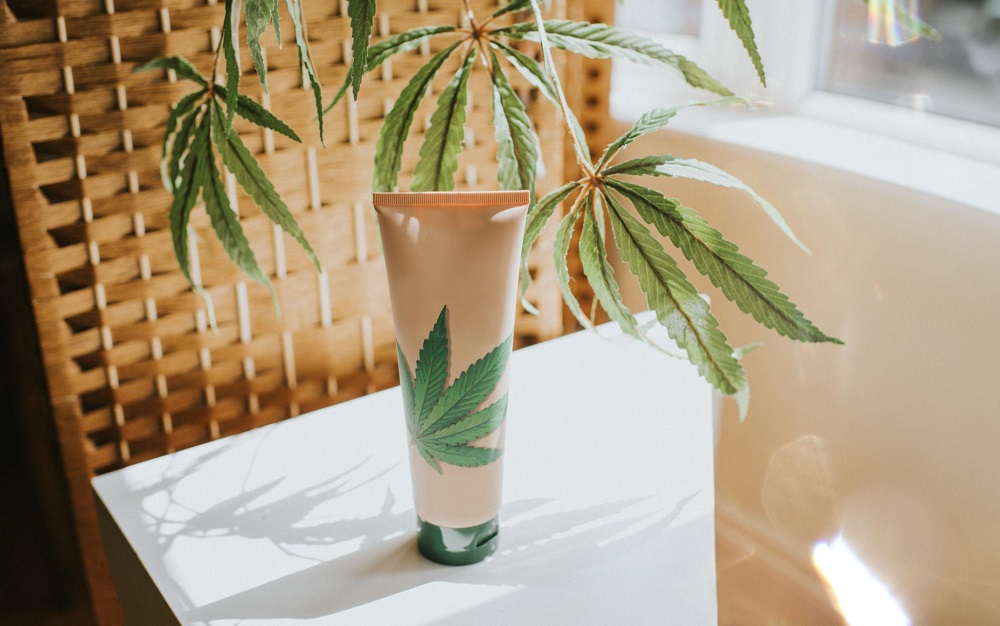
- Topicals (creams, balms, skincare)
- Pet CBD products
- Vape products
As legalization frameworks evolve, manufacturers continue to expand product offerings tailored to different consumer preferences and regulatory environments.
Key Drivers of Market Growth
1. Expanding Legalization and Regulatory Clarity
Several countries and U.S. states have legalized hemp-derived CBD products under defined THC limits. Clearer regulatory frameworks have:
- Reduced market uncertainty
- Encouraged institutional investment
- Increased retail distribution channels
- Improved product quality standards
While regulations still vary by region, gradual policy normalization supports steady industry growth.
2. Growing Consumer Awareness
Consumers increasingly seek plant-based wellness alternatives. CBD is commonly associated with potential benefits such as:
- Stress management
- Sleep support
- Pain relief
- Skin health
Social media, influencer marketing, and wellness trends have accelerated product adoption, especially among millennials and Gen Z demographics.
3. Product Innovation and Diversification
Brands are differentiating themselves through:
- Broad-spectrum and full-spectrum formulations
- Functional blends (CBD + melatonin, CBD + adaptogens)
- Premium skincare infusions
- Fast-acting delivery systems
Innovation strengthens brand positioning and supports higher price points.
4. E-Commerce Expansion
Online retail has become a critical sales channel for CBD products. E-commerce platforms offer:
- Wider product selection
- Subscription models
- Direct-to-consumer brand engagement
- Educational content for informed purchases
Digital marketing strategies significantly influence purchasing decisions in this market.
Market Segmentation Insights
By Product Type
- Oils and tinctures remain dominant due to versatility and ease of dosing.
- Edibles are among the fastest-growing segments, driven by convenience and taste appeal.
- Topicals are gaining traction in the beauty and skincare industries.
- Pet CBD products represent a rapidly expanding niche.
By Distribution Channel
- Online platforms
- Specialty wellness stores
- Pharmacies
- Supermarkets and hypermarkets
The omnichannel approach is becoming standard for leading brands.
By Region
- North America leads the market due to favorable regulations and early adoption.
- Europe shows growing demand as regulatory frameworks mature.
- Asia-Pacific presents long-term potential, though regulatory hurdles remain.
- Latin America is emerging with gradual legalization progress.
Competitive Landscape
The CBD market remains fragmented, with a mix of:
- Established cannabis companies
- Nutraceutical brands
- Pharmaceutical entrants
- Startup wellness brands
Competitive factors include:
- Product quality and third-party lab testing
- Brand transparency
- Pricing strategy
- Distribution partnerships
- Regulatory compliance
Strategic mergers and acquisitions are becoming more common as larger firms consolidate market share.
Challenges Impacting Growth
Despite strong momentum, the industry faces several constraints:
- Regulatory inconsistencies across regions
- Advertising restrictions on digital platforms
- Price competition and commoditization
- Consumer skepticism about product claims
- Supply chain fluctuations
Addressing these challenges requires transparent labeling, compliance investments, and consistent consumer education.
Future Outlook
The CBD product market is expected to continue expanding as:
- Research into therapeutic applications advances
- Regulatory clarity improves globally
- Mainstream retailers expand shelf space
- Consumer trust strengthens through quality standards
Long-term growth will likely favor brands that prioritize science-backed formulations, sustainable sourcing, and strong compliance frameworks.
As the industry matures, differentiation through innovation and credibility will be essential for sustained success.
Frequently Asked Questions (FAQ)
1. What factors are influencing CBD pricing trends?
CBD pricing is influenced by hemp cultivation costs, extraction methods, product formulation complexity, regulatory compliance expenses, and competitive market dynamics.
2. How does full-spectrum CBD differ from isolate products?
Full-spectrum CBD contains multiple cannabinoids and terpenes, including trace THC (within legal limits), while CBD isolate contains only purified cannabidiol without other plant compounds.
3. Is the CBD market considered saturated?
While competition is intense in certain segments like oils and gummies, emerging categories such as functional beverages and pet wellness still offer growth opportunities.
4. What role does research play in market expansion?
Scientific research supports product credibility, guides regulatory decisions, and helps manufacturers develop targeted therapeutic formulations.
5. Are pharmaceutical companies entering the CBD market?
Yes, some pharmaceutical and healthcare companies are exploring CBD-based formulations, particularly for medical and prescription applications.
6. How important is third-party testing in this industry?
Third-party lab testing ensures product purity, accurate cannabinoid content, and compliance with legal THC limits, making it essential for consumer trust.
7. What trends may shape the CBD market over the next decade?
Key trends include personalized wellness products, sustainable hemp cultivation, functional ingredient blends, global regulatory harmonization, and increased institutional investment.
