
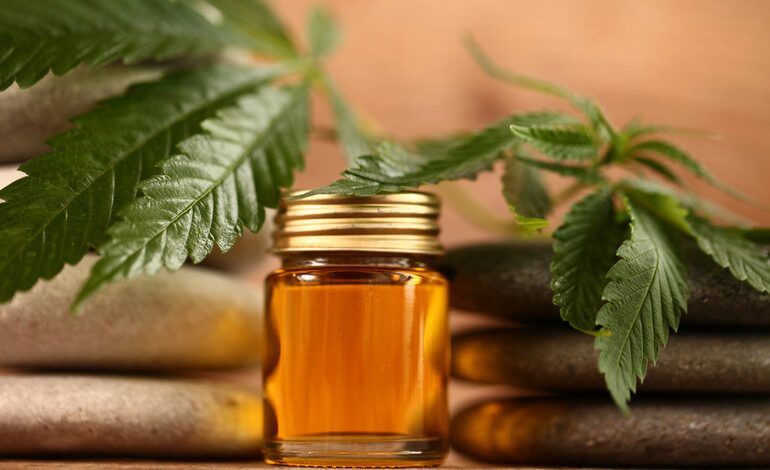
Recovery is not just about rest—it’s about giving the body the right support to repair, rebalance, and regain strength. Whether you’re bouncing back from intense workouts, everyday stress, minor injuries, or demanding routines, many people are exploring CBD (cannabidiol) as a natural addition to their recovery toolkit.
CBD, derived from hemp, has gained attention for its potential to support physical and mental restoration without the intoxicating effects associated with THC. Let’s explore how it may contribute to recovery and what to consider before using it.
What Is CBD and How Does It Work?
CBD is a naturally occurring compound found in the hemp plant. Unlike THC, it does not produce a “high.” Instead, it interacts with the body’s endocannabinoid system (ECS)—a complex network of receptors that helps regulate balance in areas such as:
-
Pain perception
-
Inflammation response
-
Mood stability
-
Sleep cycles
-
Immune function
The ECS plays a key role in maintaining homeostasis, or internal balance. CBD may support this system by influencing receptor activity and encouraging the body’s natural regulatory processes.
How CBD May Support Physical Recovery
1. Promoting a Balanced Inflammatory Response
Inflammation is a natural part of healing. However, excessive or prolonged inflammation can slow recovery and increase discomfort. Research suggests that CBD may help modulate inflammatory pathways, potentially supporting a healthier recovery response after physical exertion.
This makes CBD especially popular among athletes and fitness enthusiasts looking to manage post-workout soreness.
2. Supporting Muscle Relaxation and Comfort
Intense physical activity can leave muscles feeling tight or fatigued. Some users report that CBD helps promote muscle relaxation and overall physical comfort. Topical CBD products—such as creams and balms—are often applied directly to targeted areas for localized support.
3. Encouraging Restful Sleep
Quality sleep is foundational to recovery. During deep sleep, the body repairs tissues, regulates hormones, and restores energy levels. CBD may support healthier sleep patterns by:
-
Promoting relaxation
-
Reducing nighttime restlessness
-
Supporting stress management
Improved sleep can indirectly enhance both physical and mental recovery.
CBD and Mental Recovery
Recovery isn’t purely physical. Mental fatigue, stress, and emotional strain can also impact performance and overall well-being.
Stress Regulation
Chronic stress can slow healing and interfere with sleep. CBD has been studied for its potential calming effects, which may help support a more relaxed state of mind without sedation.
Focus and Clarity
Some individuals find that balanced stress levels contribute to clearer thinking and improved daily performance. By supporting emotional equilibrium, CBD may play a role in cognitive recovery as well.
Types of CBD Products for Recovery
Choosing the right format depends on your goals and preferences.
CBD Oil Tinctures
-
Taken sublingually (under the tongue)
-
Fast absorption
-
Easy dosage adjustments
CBD Capsules
-
Pre-measured doses
-
Convenient for daily routines
CBD Topicals
-
Applied directly to the skin
-
Targeted support for specific areas
CBD Edibles
-
Longer-lasting effects
-
Slower onset
Each method offers distinct advantages, and some people combine formats for broader support.
Is CBD Safe for Recovery?
CBD is generally considered well tolerated. However, it can interact with certain medications and may cause mild side effects such as:
-
Dry mouth
-
Changes in appetite
-
Temporary fatigue
To use CBD responsibly:
-
Choose products tested by third-party laboratories
-
Verify THC content if drug testing is a concern
-
Start with a low dose and adjust gradually
-
Consult a healthcare professional if you have underlying conditions
Natural Recovery Is Multifaceted
CBD works best as part of a broader recovery strategy. For optimal results, combine it with:
-
Proper hydration
-
Balanced nutrition
-
Active recovery (stretching, mobility work)
-
Adequate sleep
-
Stress management practices
Recovery is cumulative. Small, consistent habits often deliver the most noticeable improvements over time.
Final Thoughts
Supporting recovery naturally means listening to your body and providing tools that promote balance. CBD offers a plant-based option that may help manage discomfort, encourage relaxation, and support restful sleep—all key pillars of effective recovery.
While research continues to evolve, many individuals find CBD to be a valuable addition to their wellness routines when used thoughtfully and responsibly.
Frequently Asked Questions (FAQs)
1. How long does it take for CBD to support recovery?
Timing depends on the product type. Oils may take effect within 15–45 minutes, while edibles can take 1–2 hours. Topicals may provide localized support relatively quickly.
2. Can CBD help with post-workout soreness?
Some research and user experiences suggest CBD may support a balanced inflammatory response, which could help manage temporary soreness after exercise.
3. Will CBD make me feel tired during the day?
CBD does not typically cause intoxication. While some people feel relaxed, many report improved focus and calmness without drowsiness.
4. Is CBD legal?
Hemp-derived CBD containing less than 0.3% THC is federally legal in the United States, though state regulations may vary.
5. Can I use CBD every day?
Many people incorporate CBD into daily wellness routines. Consistency may support more stable effects, but dosage should be personalized.
6. What strength of CBD should I start with?
Beginners often start with a low dose (e.g., 10–20 mg per day) and increase gradually based on response and tolerance.
7. Can athletes use CBD safely?
CBD is not prohibited by the World Anti-Doping Agency (WADA), but THC is banned in competition. Athletes should verify product purity to avoid unintended THC exposure.
