
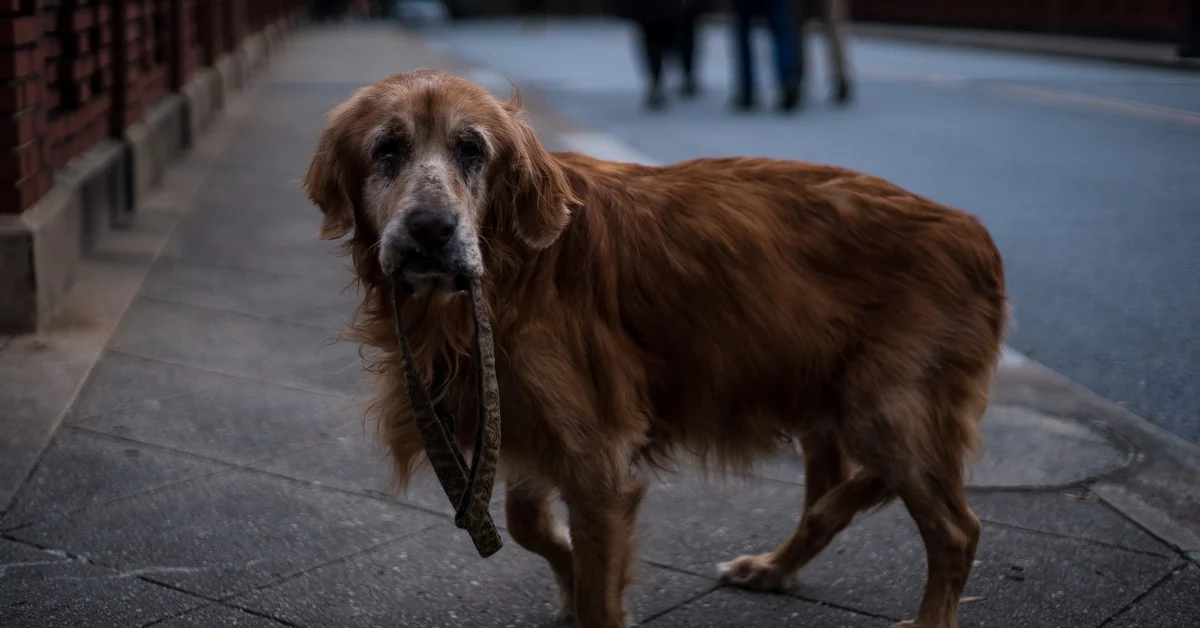
As dogs age, stiffness, slower movement, and difficulty rising from rest often become part of daily life. Watching a once-active companion struggle with mobility can be heartbreaking. In recent years, CBD (cannabidiol) has gained attention as a supportive option for older dogs dealing with joint discomfort and reduced flexibility.
This guide explains how CBD may help senior dogs move more comfortably, what to look for in a product, and how to use it responsibly.
Why Mobility Declines in Older Dogs
Aging affects dogs much like it does humans. Over time, cartilage wears down, muscles lose strength, and inflammation can increase. Common causes of mobility issues include:
- Osteoarthritis
- Hip or elbow dysplasia
- Degenerative joint disease
- Past injuries that worsen with age
- Muscle loss due to reduced activity
Signs your older dog may be struggling with mobility:
- Difficulty standing up or lying down
- Reluctance to climb stairs
- Limping or favoring one leg
- Reduced enthusiasm for walks
- Stiffness after resting
Early intervention is important. Addressing discomfort sooner can help preserve independence and overall quality of life.
What Is CBD and How Does It Work in Dogs?
CBD is a naturally occurring compound derived from hemp. It does not cause intoxication. In dogs, CBD interacts with the endocannabinoid system (ECS)—a network involved in regulating:
- Inflammation
- Pain perception
- Immune response
- Mood and stress
By supporting this system, CBD may help reduce inflammation and modulate discomfort signals, which can improve mobility in aging dogs.
Potential Benefits of CBD for Senior Dog Mobility
While research in veterinary use is still developing, early studies and clinical observations suggest several possible benefits:
1. Reduced Joint Inflammation
Chronic inflammation contributes significantly to stiffness and pain. CBD may help calm inflammatory responses in joints.
2. Improved Comfort During Movement
Some pet owners report improved ease when their dogs stand, walk, or climb stairs.
3. Increased Activity Levels
When discomfort is managed, older dogs often regain interest in light activity and interaction.
4. Support for Overall Well-Being
CBD may also promote relaxation and better sleep, both of which are essential for recovery and joint health.
Results vary between dogs. CBD is not a cure, but it may be a supportive tool within a broader mobility care plan.
Choosing the Right CBD Product for Older Dogs
Not all CBD products are created equal. Quality and formulation matter—especially for senior dogs.
Look for:
- Third-party lab testing (Certificate of Analysis)
- Clear dosage information per serving
- Hemp-derived CBD with minimal additives
- THC levels within safe legal limits
- Products formulated specifically for pets
Common Formats:
- CBD Oil Tinctures – Flexible dosing, fast absorption
- CBD Chews or Treats – Convenient, palatable
- Topicals – Applied directly to specific joints
For systemic mobility support, oils and chews are typically preferred.
How to Dose CBD for Older Dogs
There is no universal dosage. Factors influencing dose include:
- Body weight
- Severity of mobility issues
- Overall health
- Concurrent medications
A common starting approach is low and gradual:
- Begin with a low dose based on body weight
- Monitor for 5–7 days
- Adjust slowly if needed
Always consult a veterinarian before starting CBD—especially if your dog takes anti-inflammatory drugs, pain medication, or has liver concerns.
Safety and Possible Side Effects
CBD is generally considered well-tolerated in dogs when properly dosed. However, possible mild side effects may include:
- Drowsiness
- Dry mouth
- Temporary digestive upset
- Changes in appetite
If your dog shows unusual symptoms such as vomiting, extreme lethargy, or coordination problems, discontinue use and contact your veterinarian.
Combining CBD with Other Mobility Support Strategies
CBD works best as part of a comprehensive approach. Consider pairing it with:
- Weight management to reduce joint strain
- Joint supplements (e.g., glucosamine, chondroitin, omega-3s)
- Low-impact exercise such as swimming
- Orthopedic bedding
- Physical therapy or massage
Mobility care is cumulative. Small improvements from multiple strategies can make a meaningful difference.
When to Expect Results
Some dogs show subtle improvement within a few days. For others, noticeable changes may take 2–4 weeks of consistent use.
Consistency is key. Sporadic dosing is less likely to provide steady support.
Is CBD Right for Your Older Dog?
CBD may be worth considering if your senior dog:
- Has mild to moderate joint stiffness
- Struggles with daily mobility
- Cannot tolerate certain traditional medications
- Needs additional support alongside veterinary care
It should not replace prescribed treatments without veterinary guidance. Instead, think of CBD as a potential complementary option.
Frequently Asked Questions (FAQs)
1. Can CBD replace prescription pain medication for older dogs?
CBD should not replace prescribed medications without veterinary approval. In some cases, it may be used alongside traditional treatments under supervision.
2. How long should a senior dog stay on CBD?
Many pet owners use CBD long-term if it is well tolerated and beneficial. Regular veterinary checkups are recommended to monitor overall health.
3. Is hemp oil the same as CBD oil for dogs?
No. Hemp seed oil contains beneficial fatty acids but does not contain significant amounts of CBD. Always check the label for actual cannabidiol content.
4. Can small-breed senior dogs take CBD?
Yes, but dosage must be carefully adjusted based on body weight. Smaller dogs require significantly lower amounts.
5. Will CBD make my dog sleepy all day?
At appropriate doses, most dogs do not become overly sedated. Mild relaxation is possible, but excessive sleepiness may indicate the dose is too high.
6. Can CBD interact with other supplements?
CBD may interact with certain medications and supplements, particularly those metabolized by the liver. Always inform your veterinarian of everything your dog is taking.
7. What signs indicate CBD is helping my dog’s mobility?
Improved willingness to move, easier standing, reduced limping, and increased engagement during walks are common indicators.
