
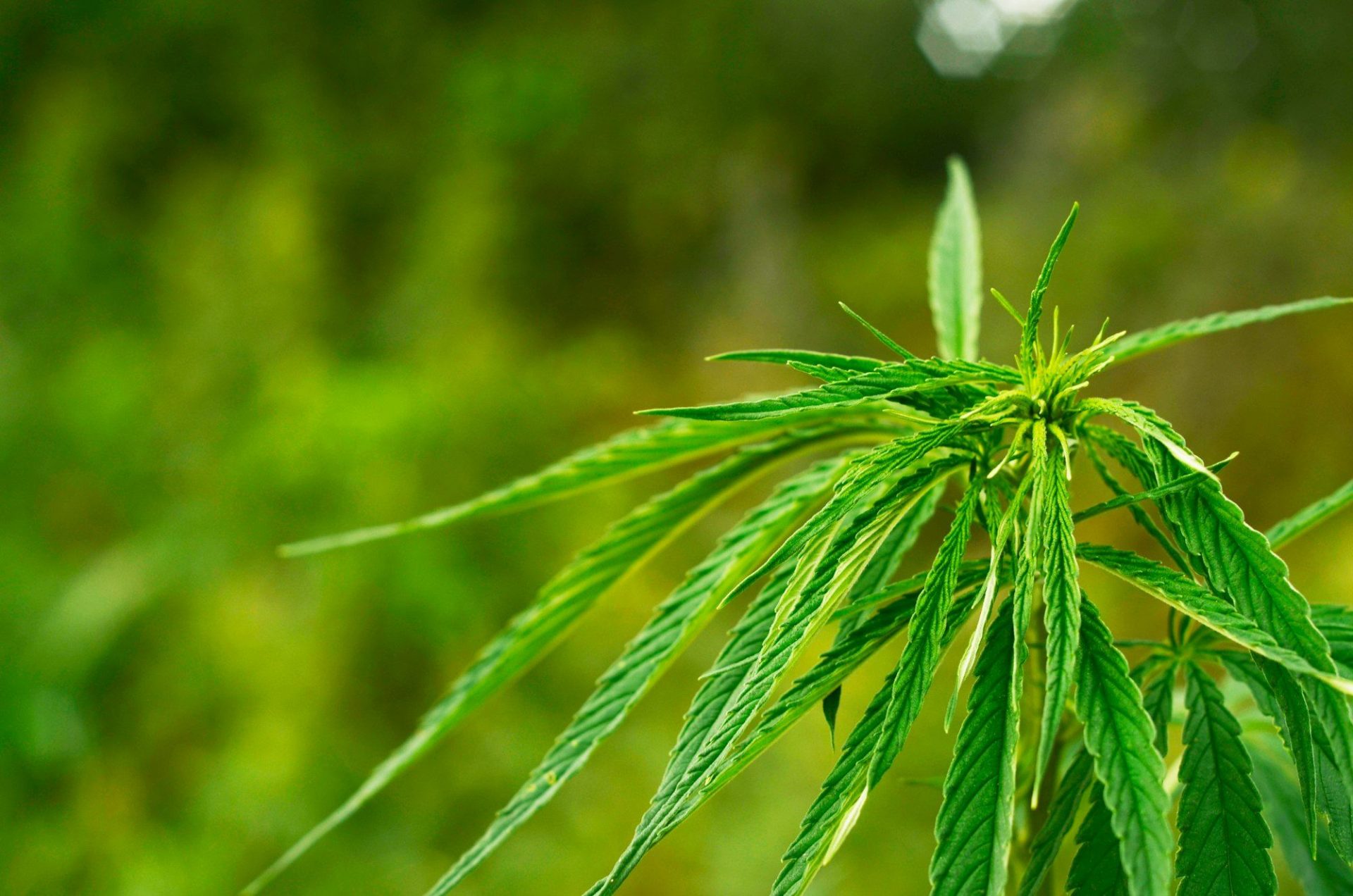
The CBD market has expanded rapidly over the past decade, offering consumers a wide range of products derived from hemp. Among the most common distinctions is organic CBD versus conventionally grown CBD. While both originate from hemp plants, the cultivation methods, processing standards, and overall quality can differ significantly.
Understanding these differences helps consumers make informed decisions based on health priorities, environmental concerns, and product transparency.
What Is Organic CBD?
Organic CBD is extracted from hemp grown without synthetic pesticides, herbicides, chemical fertilizers, or genetically modified organisms (GMOs). Certified organic farming follows strict agricultural standards that emphasize soil health, biodiversity, and sustainable cultivation practices.
Key characteristics include:
-
Hemp cultivated using natural pest control methods
-
Soil enriched with compost and crop rotation rather than synthetic fertilizers
-
No irradiation or chemical processing during production
-
Compliance with recognized organic certification standards
Because hemp is a bioaccumulator—a plant that absorbs substances from soil—organic cultivation plays a crucial role in minimizing contamination.
What Is Conventional CBD?
Conventional CBD comes from hemp grown using standard agricultural practices. These may include:
-
Synthetic fertilizers
-
Chemical pesticides or herbicides
-
Growth regulators
-
Intensive monocropping techniques
While conventional methods can increase yield and lower production costs, they may introduce residual chemicals into the final product if not properly managed.
However, it’s important to note that not all conventional CBD products are low quality. Reputable manufacturers still conduct third-party lab testing to ensure safety and compliance with legal THC limits.
Key Differences Between Organic and Conventional CBD
1. Cultivation Practices
Organic farming focuses on long-term soil health and environmental sustainability. Conventional farming may prioritize productivity and efficiency.
Organic:
-
Natural fertilizers and compost
-
Crop rotation
-
Biological pest management
Conventional:
-
Synthetic fertilizers
-
Chemical pest control
-
Faster production cycles
2. Chemical Exposure
Since hemp absorbs compounds from the soil, pesticide use can affect the purity of CBD extracts.
-
Organic CBD typically has lower risk of chemical residue
-
Conventional CBD depends heavily on post-harvest purification and testing
3. Environmental Impact
Organic hemp farming often:
-
Reduces soil degradation
-
Minimizes water contamination
-
Encourages biodiversity
Conventional farming may contribute to soil nutrient depletion and chemical runoff if not carefully managed.
4. Cost Differences
Organic CBD products generally cost more due to:
-
Certification expenses
-
Lower crop yields
-
More labor-intensive practices
Conventional CBD may be more affordable but varies in quality depending on the producer.
5. Certification and Transparency
Certified organic CBD must meet regulatory standards and pass inspection. Look for:
-
USDA Organic certification (in the United States)
-
Clear labeling
-
Third-party lab reports (Certificates of Analysis)
Conventional CBD products may not carry organic certification but should still provide lab testing for potency and contaminants.
Does Organic CBD Work Better?
There is no direct scientific evidence proving that organic CBD is more effective in terms of cannabinoid activity. The primary difference lies in purity and cultivation methods, not in CBD’s molecular structure.
However, many consumers prefer organic products for:
-
Reduced chemical exposure
-
Environmental sustainability
-
Ethical farming practices
Effectiveness ultimately depends on:
-
CBD concentration
-
Extraction method
-
Product formulation
-
Individual body chemistry
Extraction Methods Matter Too
Whether organic or conventional, extraction plays a crucial role in quality.
Common extraction methods include:
-
CO₂ extraction – considered clean and efficient
-
Ethanol extraction
-
Hydrocarbon extraction
CO₂ extraction is often favored because it leaves minimal solvent residue and preserves cannabinoid integrity.
How to Choose the Right Option
When comparing organic and conventional CBD, consider:
-
Your sensitivity to chemicals
-
Budget constraints
-
Environmental values
-
Brand transparency
-
Lab testing availability
Always review a Certificate of Analysis (COA) from an independent laboratory to verify:
-
CBD and THC levels
-
Absence of heavy metals
-
Absence of pesticides
-
Microbial safety
Final Thoughts
Organic CBD offers advantages in environmental sustainability and reduced chemical exposure. Conventional CBD can still be safe and effective when produced responsibly and tested thoroughly. The right choice depends on personal priorities rather than dramatic differences in CBD performance itself.
Both options require careful label review and independent testing verification to ensure product quality and safety.
Frequently Asked Questions (FAQ)
1. Can conventional CBD still be safe to use?
Yes. If it undergoes proper third-party testing and meets regulatory standards for contaminants and THC levels, conventional CBD can be safe.
2. Does organic CBD contain more cannabinoids?
Not necessarily. Cannabinoid levels depend on plant genetics and extraction methods, not solely on whether the hemp is organic.
3. Is organic CBD always pesticide-free?
Certified organic products should not use synthetic pesticides, but reviewing lab results is still important to confirm purity.
4. Why is organic CBD more expensive?
Higher farming costs, certification requirements, and lower yields typically increase production expenses.
5. Does organic CBD taste different?
Flavor differences are minimal and usually influenced more by carrier oils and added ingredients than farming practices.
6. Are there risks with low-quality conventional CBD?
Yes. Poorly regulated products may contain residual solvents, pesticides, or inaccurate potency labeling.
7. How can I verify a CBD product’s quality?
Check for third-party lab reports, clear ingredient lists, transparent sourcing information, and reputable certifications.
