
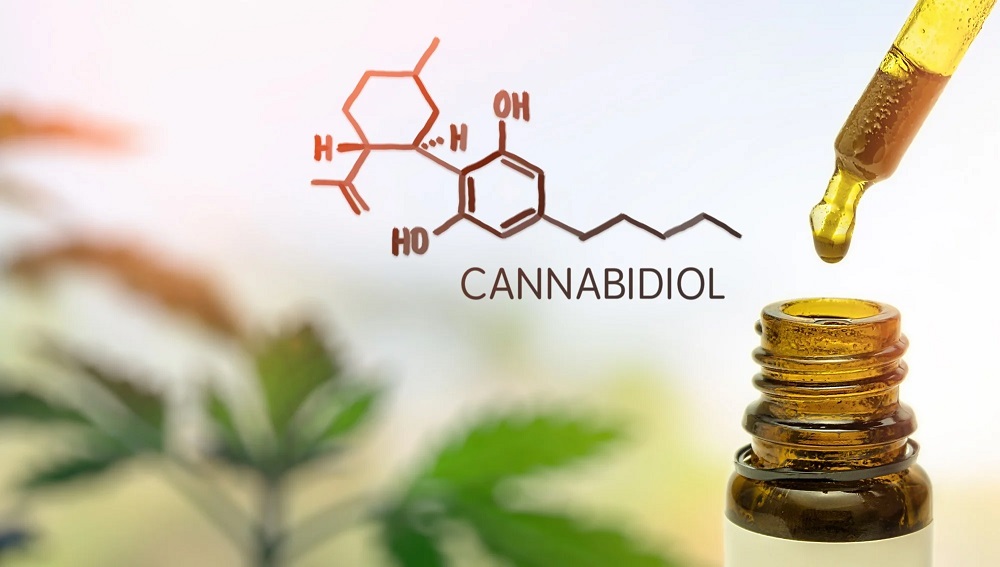
Cannabidiol (CBD) has shifted from niche supplement to a subject of rigorous biomedical investigation. Once overshadowed by tetrahydrocannabinol (THC), CBD is now central to conversations about pain modulation, neuroprotection, inflammation control, and psychiatric care. Researchers are examining how this non-intoxicating cannabinoid interacts with the body’s regulatory systems and whether its therapeutic promise holds up under clinical scrutiny.
This article explores the latest scientific directions, the biological mechanisms under investigation, and the challenges that remain before CBD becomes fully integrated into mainstream medicine.
Understanding Cannabidiol and the Endocannabinoid System
CBD is one of over 100 phytocannabinoids found in Cannabis sativa. Unlike THC, it does not produce euphoria. Its pharmacological activity is complex and extends beyond cannabinoid receptors.
The Endocannabinoid System (ECS)
The endocannabinoid system regulates homeostasis across multiple physiological domains:
- Pain signaling
- Immune response
- Mood regulation
- Sleep cycles
- Appetite and metabolism
CBD interacts indirectly with CB1 and CB2 receptors and influences non-cannabinoid targets such as:
- TRPV1 receptors (involved in pain perception)
- 5-HT1A serotonin receptors (linked to anxiety and mood)
- PPAR-gamma receptors (metabolic and anti-inflammatory roles)
Emerging studies suggest CBD’s broad therapeutic potential stems from this multi-receptor activity rather than a single mechanism.
CBD and Neurological Disorders
One of the strongest areas of evidence comes from epilepsy research. A purified CBD formulation became the first cannabis-derived medication approved by the U.S. Food and Drug Administration for rare seizure disorders.
Beyond epilepsy, new studies are exploring:
Neurodegenerative Conditions
Researchers are evaluating CBD in:
- Alzheimer’s disease – investigating anti-inflammatory and antioxidant effects in preclinical models
- Parkinson’s disease – assessing motor symptom management and sleep quality
- Multiple sclerosis – examining muscle spasticity reduction
Early findings suggest potential neuroprotective properties, but large-scale human trials remain limited.
Autism Spectrum Disorder
Preliminary clinical observations indicate CBD may reduce anxiety, aggression, and sleep disturbances in some children. However, dosage standardization and long-term safety data are still evolving.
Mental Health Applications
CBD’s interaction with serotonin receptors has sparked interest in psychiatric research.
Anxiety and Stress
Small randomized trials report reductions in:
- Social anxiety symptoms
- Public-speaking stress responses
- Generalized anxiety markers
Neuroimaging research indicates CBD may alter blood flow in brain regions linked to emotional regulation.
Depression and Mood Disorders
Animal studies show antidepressant-like effects, potentially through rapid serotonin modulation and neurogenesis support. Human evidence, however, remains preliminary and requires more controlled trials.
Pain and Inflammation Research
Chronic pain remains one of the most common reasons individuals seek CBD products. Research is investigating its potential role in:
- Neuropathic pain
- Arthritis-related inflammation
- Fibromyalgia
- Post-surgical recovery
CBD’s influence on inflammatory cytokines and oxidative stress markers is a key focus. Some studies suggest synergy when combined with low-dose THC, though regulatory barriers complicate research on combination therapies.
CBD in Oncology Research
Scientists are evaluating whether CBD may support cancer care by:
- Reducing chemotherapy-induced nausea
- Managing cancer-related pain
- Potentially inhibiting tumor cell proliferation in laboratory models
It is critical to note that current evidence does not support CBD as a standalone cancer treatment. Most promising findings are preclinical and require cautious interpretation.
Cardiovascular and Metabolic Effects
Emerging research explores CBD’s impact on:
- Blood pressure regulation
- Vascular inflammation
- Insulin sensitivity
A small human study demonstrated reduced resting blood pressure following acute CBD administration. Ongoing research aims to determine whether these effects are clinically meaningful in long-term use.
Safety Profile and Drug Interactions
CBD is generally well tolerated, but it is not without risks.
Commonly Reported Side Effects
- Fatigue
- Diarrhea
- Appetite changes
- Dry mouth
Drug Interaction Considerations
CBD inhibits certain liver enzymes (particularly CYP450 isoenzymes), which may alter blood levels of:
- Anticoagulants
- Anti-epileptic drugs
- Antidepressants
- Immunosuppressants
Patients using prescription medications should consult healthcare providers before initiating CBD.
Challenges in Current Research
Despite promising findings, several obstacles limit definitive conclusions:
- Inconsistent product formulations in consumer markets
- Variability in dosing protocols across studies
- Small sample sizes
- Regulatory restrictions in some regions
- Limited long-term safety data
Moreover, over-the-counter CBD products often differ significantly from pharmaceutical-grade preparations used in clinical trials.
Future Research Directions
The next phase of CBD research focuses on:
- Large-scale randomized controlled trials
- Standardized dosing guidelines
- Biomarker-driven personalization
- Long-term safety monitoring
- Comparative effectiveness studies against existing treatments
As regulatory frameworks evolve, research access is expanding, which may clarify CBD’s therapeutic boundaries.
Frequently Asked Questions (FAQ)
1. How does CBD differ from THC in clinical effects?
CBD does not produce intoxication and interacts differently with cannabinoid receptors. THC binds directly to CB1 receptors, while CBD influences them indirectly and affects additional receptor systems.
2. Can CBD cause dependence?
Current evidence suggests CBD has low abuse potential and does not produce the reinforcing effects associated with addictive substances.
3. Is full-spectrum CBD more effective than isolate?
Some researchers propose an “entourage effect,” where multiple cannabinoids and terpenes enhance therapeutic outcomes. However, clinical comparisons remain limited.
4. How long does CBD stay in the body?
CBD’s half-life varies depending on dosage, frequency, and method of administration. In regular users, it may remain detectable for several days.
5. Are there age restrictions for CBD use?
Regulations differ by jurisdiction. In medical contexts, CBD may be prescribed for pediatric epilepsy, but general retail availability often restricts sales to adults.
6. Does CBD show up on drug tests?
Pure CBD should not trigger a positive THC test. However, full-spectrum products containing trace THC may pose a risk.
7. What forms of CBD are most studied clinically?
Most controlled trials use oral purified CBD solutions. Topicals, vapes, and edibles are less studied in standardized clinical environments.
