
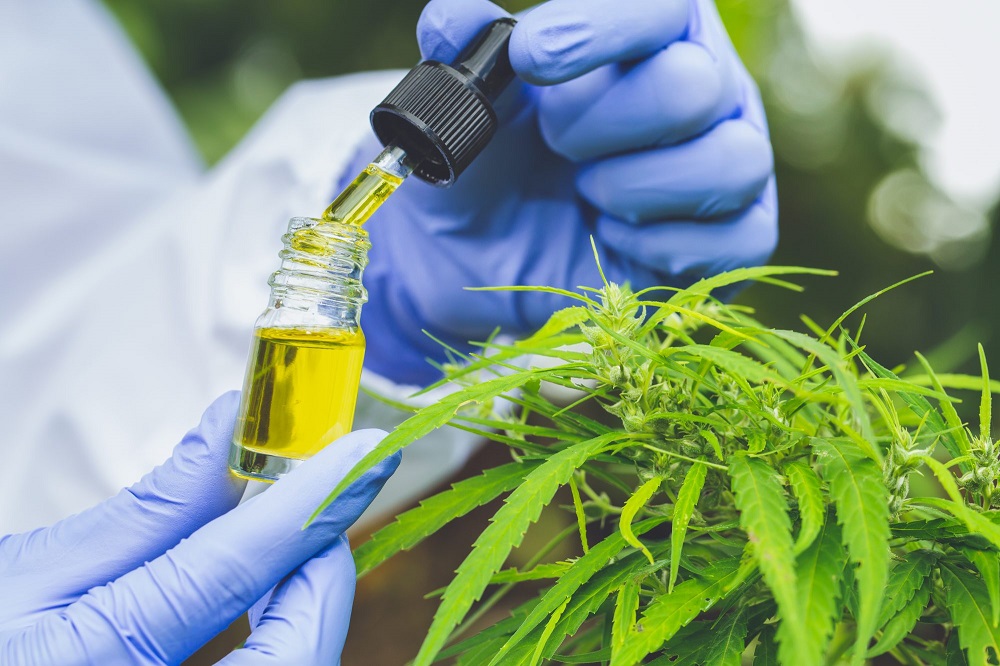
Cannabidiol, better known as CBD, has moved from niche wellness stores to mainstream shelves in just a few years. Yet despite its popularity, confusion continues to surround it. Much of that confusion stems from misinformation, exaggerated marketing claims, and a lack of understanding about how CBD differs from other cannabis compounds.
This article breaks down the most common misconceptions and replaces them with clear, evidence-based explanations.
What Is CBD?
CBD is a naturally occurring compound found in the Cannabis sativa plant. Unlike THC (tetrahydrocannabinol), CBD does not produce an intoxicating “high.” It interacts with the body’s endocannabinoid system (ECS), which plays a role in regulating functions such as mood, sleep, pain perception, and immune response.
CBD is commonly available in forms such as:
- Oils and tinctures
- Capsules and softgels
- Topical creams
- Edibles
- Vape products
Understanding what CBD actually is helps clarify many of the myths discussed below.
Misconception #1: CBD Gets You High
One of the most persistent myths is that CBD causes intoxication.
Fact: CBD is non-psychoactive.
THC is the compound responsible for the euphoric effects associated with marijuana. CBD interacts differently with the brain’s receptors and does not produce a “high.” Some products may contain trace amounts of THC, especially full-spectrum extracts, but legally compliant products must contain very low levels (typically 0.3% THC or less in many jurisdictions).
Misconception #2: CBD and Hemp Are Completely Different
Many people assume hemp and CBD are unrelated.
Fact: CBD is often extracted from hemp plants.
Hemp is a variety of cannabis that contains very low THC levels. While marijuana and hemp both come from the same plant species, they are cultivated for different purposes. Most commercial CBD products are derived from industrial hemp due to its legal status and naturally low THC content.
Misconception #3: All CBD Products Are the Same
Walk into a store and you may see labels like full-spectrum, broad-spectrum, and CBD isolate. It can be confusing.
Fact: CBD products differ significantly in composition and quality.
- Full-spectrum CBD contains multiple cannabinoids, including trace THC.
- Broad-spectrum CBD includes multiple cannabinoids but no THC.
- CBD isolate contains only pure cannabidiol.
Additionally, quality varies depending on:
- Extraction method
- Third-party lab testing
- Source of hemp
- Manufacturing standards
Consumers should look for certificates of analysis (COAs) to verify potency and purity.
Misconception #4: CBD Works Instantly for Everyone
Some advertisements suggest immediate, universal results.
Fact: Effects vary widely from person to person.
Factors influencing CBD’s impact include:
- Body weight
- Metabolism
- Dosage
- Method of use
- Individual body chemistry
While some individuals report noticeable effects quickly, others may need consistent use over time to observe changes. CBD is not a one-size-fits-all solution.
Misconception #5: More CBD Means Better Results
It may seem logical that higher doses deliver stronger benefits.
Fact: Higher doses are not always more effective.
CBD often follows a “bell-shaped dose-response curve,” meaning too little may have minimal impact, but too much may also reduce effectiveness. Finding the right dose often requires starting low and gradually increasing under professional guidance.
Misconception #6: CBD Has No Side Effects
Because CBD is plant-derived, many assume it is completely risk-free.
Fact: CBD can cause side effects in some individuals.
Potential side effects may include:
- Fatigue
- Dry mouth
- Changes in appetite
- Gastrointestinal discomfort
CBD may also interact with certain medications, especially those metabolized by the liver. Consulting a healthcare professional before use is important, particularly for people taking prescription drugs.
Misconception #7: CBD Is Fully Approved for All Medical Conditions
CBD is often marketed as a cure-all.
Fact: Research is ongoing, and regulatory approvals are limited.
While CBD has been studied for various conditions, regulatory approval for medical use is limited and specific. Many claims seen online are not supported by strong clinical evidence. Consumers should be cautious of exaggerated promises.
Misconception #8: CBD Is Illegal Everywhere
Legal confusion remains common.
Fact: Legality depends on location and product type.
In many regions, hemp-derived CBD products containing minimal THC are legal. However, regulations vary by country and sometimes by state or province. It’s important to check local laws before purchasing or traveling with CBD products.
Misconception #9: CBD Is Addictive
Concerns about dependency often arise due to CBD’s association with cannabis.
Fact: Current research indicates CBD has a low risk of abuse or dependence.
CBD does not produce reinforcing euphoric effects like THC. Studies suggest it does not create the patterns of misuse typically associated with addictive substances.
How to Choose a Reliable CBD Product
Given the misinformation in the market, selecting a trustworthy product matters. Look for:
- Third-party lab testing
- Clear labeling of cannabinoid content
- Transparent sourcing of hemp
- Reasonable, evidence-based health claims
- Good manufacturing practices
Avoid products that promise dramatic or guaranteed results.
Final Thoughts
CBD has generated both excitement and skepticism. Much of the confusion comes from mixing it up with THC, misunderstanding how it works, or believing overblown marketing claims. By separating fact from fiction, consumers can make informed decisions grounded in science rather than hype.
As research continues to evolve, clearer guidance will emerge. Until then, careful product selection and realistic expectations remain essential.
Frequently Asked Questions (FAQ)
1. How long does CBD stay in the body?
CBD can remain in the body for several days, depending on dosage, frequency of use, metabolism, and body composition. Occasional users may clear it more quickly than regular users.
2. Can CBD show up on a drug test?
Pure CBD should not trigger a positive result. However, products containing trace THC may lead to a positive test if used frequently or in high amounts.
3. Is CBD safe for daily use?
Many people use CBD daily without serious issues, but long-term safety data is still developing. Consulting a healthcare professional is recommended for ongoing use.
4. Can CBD be used alongside supplements?
CBD may interact with certain supplements, particularly those affecting liver enzymes. Professional advice is advisable when combining products.
5. Does CBD help with sleep cycles?
Some individuals report improved sleep patterns, though results vary. The effect may depend on dosage, timing, and individual physiology.
6. Is there an age restriction for buying CBD?
In many areas, purchasers must be at least 18 or 21 years old. Age limits vary depending on local regulations.
7. What is the difference between CBD oil and hemp oil?
CBD oil contains cannabidiol extracted from the plant’s flowers and leaves. Hemp seed oil is pressed from seeds and typically contains little to no CBD.
