
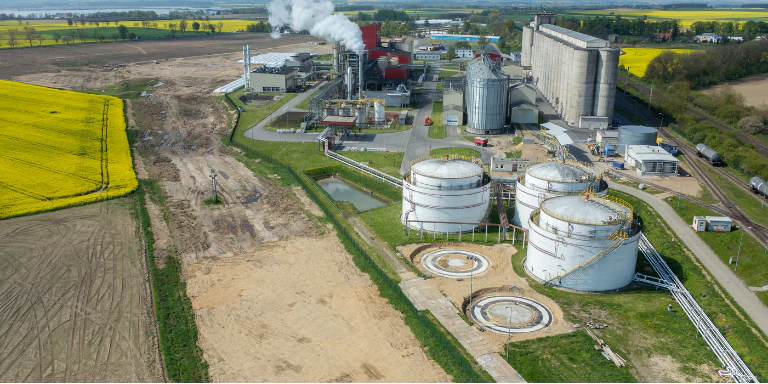
As the global energy system shifts toward low-carbon solutions, hemp biomass has emerged as a promising renewable resource. Fast-growing, resilient, and versatile, hemp offers a practical pathway to generate energy while supporting soil health and rural economies. Unlike fossil fuels, hemp-based energy is part of a short carbon cycle, making it a cleaner alternative when managed responsibly.
This article explores how hemp biomass is converted into renewable energy, its advantages, technological pathways, and real-world potential.
What Is Hemp Biomass?
Hemp biomass refers to the organic material derived from industrial hemp plants, including:
- Stalks
- Leaves
- Hurds (woody core fibers)
- Processing residues
Industrial hemp is distinct from psychoactive cannabis varieties due to its negligible THC content. It grows rapidly—often reaching maturity in 90–120 days—and produces significant biomass per hectare compared to many conventional energy crops.
Because nearly every part of the plant can be used, hemp generates minimal agricultural waste, making it attractive for energy applications.
Why Hemp for Renewable Energy?
Several features make hemp a strong candidate for bioenergy production.
1. Rapid Growth and High Yield
Hemp can produce 8–15 tons of dry biomass per hectare, depending on climate and cultivation practices. Its short growth cycle enables multiple harvests in some regions.
2. Carbon Sequestration
During its growth, hemp absorbs substantial amounts of atmospheric carbon dioxide. While combustion releases CO₂, the overall lifecycle emissions can be lower than fossil fuels when cultivation and processing are optimized.
3. Low Agricultural Input
Compared to many crops, hemp:
- Requires relatively modest pesticide use
- Adapts to diverse soil types
- Improves soil structure through deep roots
These characteristics reduce environmental strain while supporting regenerative farming systems.
Conversion Pathways for Hemp Biomass
Hemp biomass can be transformed into energy through several established technologies.
Combustion for Heat and Power
The most straightforward method is direct combustion. Dried hemp stalks and pellets are burned in biomass boilers to generate heat or electricity.
Key outputs include:
- District heating systems
- Industrial process heat
- Combined heat and power (CHP) units
Modern combustion systems significantly reduce particulate emissions compared to older biomass setups.
Anaerobic Digestion for Biogas
In anaerobic digestion, microorganisms break down hemp residues in oxygen-free environments to produce biogas—primarily methane and carbon dioxide.
Biogas can be:
- Burned for electricity
- Upgraded to biomethane for grid injection
- Used as vehicle fuel
Digestate byproducts can return to farmland as nutrient-rich fertilizer.
Pyrolysis and Biochar Production
Pyrolysis involves heating biomass in limited oxygen to create:
- Bio-oil
- Syngas
- Biochar
Biochar, in particular, has gained attention for its dual benefits: improving soil fertility and locking carbon into stable forms for long-term sequestration.
Bioethanol and Advanced Biofuels
Cellulosic components in hemp stalks can be processed into second-generation bioethanol. Although still developing at commercial scale, advances in enzymatic hydrolysis and fermentation are improving efficiency.
Compared to food-based biofuels, hemp-based ethanol avoids direct competition with edible crops.
Environmental and Economic Benefits
Hemp biomass utilization provides multiple advantages across sustainability dimensions.
Environmental Benefits
- Reduced greenhouse gas emissions relative to coal and oil
- Soil remediation capabilities (phytoremediation)
- Support for circular agricultural systems
- Lower reliance on fossil-based energy imports
Economic Opportunities
- Diversified income streams for farmers
- Rural job creation in processing facilities
- Localized energy production
- Growing global bioenergy markets
Regions seeking energy independence can integrate hemp into broader renewable portfolios alongside wind and solar.
Challenges and Considerations
Despite its potential, hemp biomass faces practical hurdles.
Infrastructure Limitations
Processing facilities for advanced biofuels require significant investment. Many regions lack dedicated biomass conversion plants.
Regulatory Complexity
Hemp cultivation laws vary widely by country, influencing supply chain stability and investor confidence.
Energy Density and Logistics
Biomass has lower energy density than fossil fuels. Transporting raw hemp over long distances can reduce economic viability unless densified (e.g., pellets or briquettes).
Lifecycle Emissions
While hemp absorbs carbon during growth, emissions from harvesting, drying, and processing must be accounted for to ensure genuine climate benefits.
Integration into the Renewable Energy Mix
Hemp biomass works best as part of a diversified energy strategy. It complements intermittent sources like solar and wind by providing dispatchable energy—power that can be generated on demand.
Potential integration models include:
- Community-scale biomass plants
- Farm-based biogas digesters
- Industrial hemp pellet production hubs
- Hybrid renewable systems combining biomass and solar
Such systems enhance grid stability while supporting local economies.
The Future of Hemp in Clean Energy
As global climate targets tighten, interest in sustainable biomass is rising. Technological advances in cellulosic biofuel production and carbon-negative biochar systems may further strengthen hemp’s role.
Research continues to improve:
- Conversion efficiency
- Crop genetics for higher biomass yield
- Supply chain optimization
- Carbon accounting methodologies
With proper policy frameworks and investment, hemp biomass could become a valuable component of next-generation renewable infrastructure.
Frequently Asked Questions (FAQ)
1. Is hemp biomass carbon neutral?
Hemp can be close to carbon neutral if cultivated and processed efficiently. However, full neutrality depends on lifecycle emissions from farming, transport, and conversion.
2. Can hemp replace fossil fuels entirely?
While hemp biomass can contribute significantly, it is unlikely to replace fossil fuels alone. It functions best as part of a diversified renewable energy system.
3. Does hemp energy compete with food production?
Industrial hemp grown for biomass generally uses marginal or rotational farmland and does not directly compete with staple food crops in most cases.
4. How efficient is hemp compared to wood biomass?
Hemp and wood have similar calorific values per dry ton. However, hemp’s faster growth cycle can make it more productive annually in suitable climates.
5. Is hemp biofuel commercially available?
Biogas and pelletized hemp fuels are commercially available in some regions. Advanced cellulosic biofuels are still scaling toward broader commercialization.
6. What is biochar from hemp used for?
Hemp-derived biochar improves soil structure, enhances nutrient retention, and stores carbon long term, supporting both agriculture and climate mitigation.
7. Are there environmental risks associated with hemp biomass?
If managed poorly, large-scale monocropping could reduce biodiversity. Sustainable cultivation practices are essential to maintain ecological balance.
